
Crawl Space Waterproofing in Cary, NC
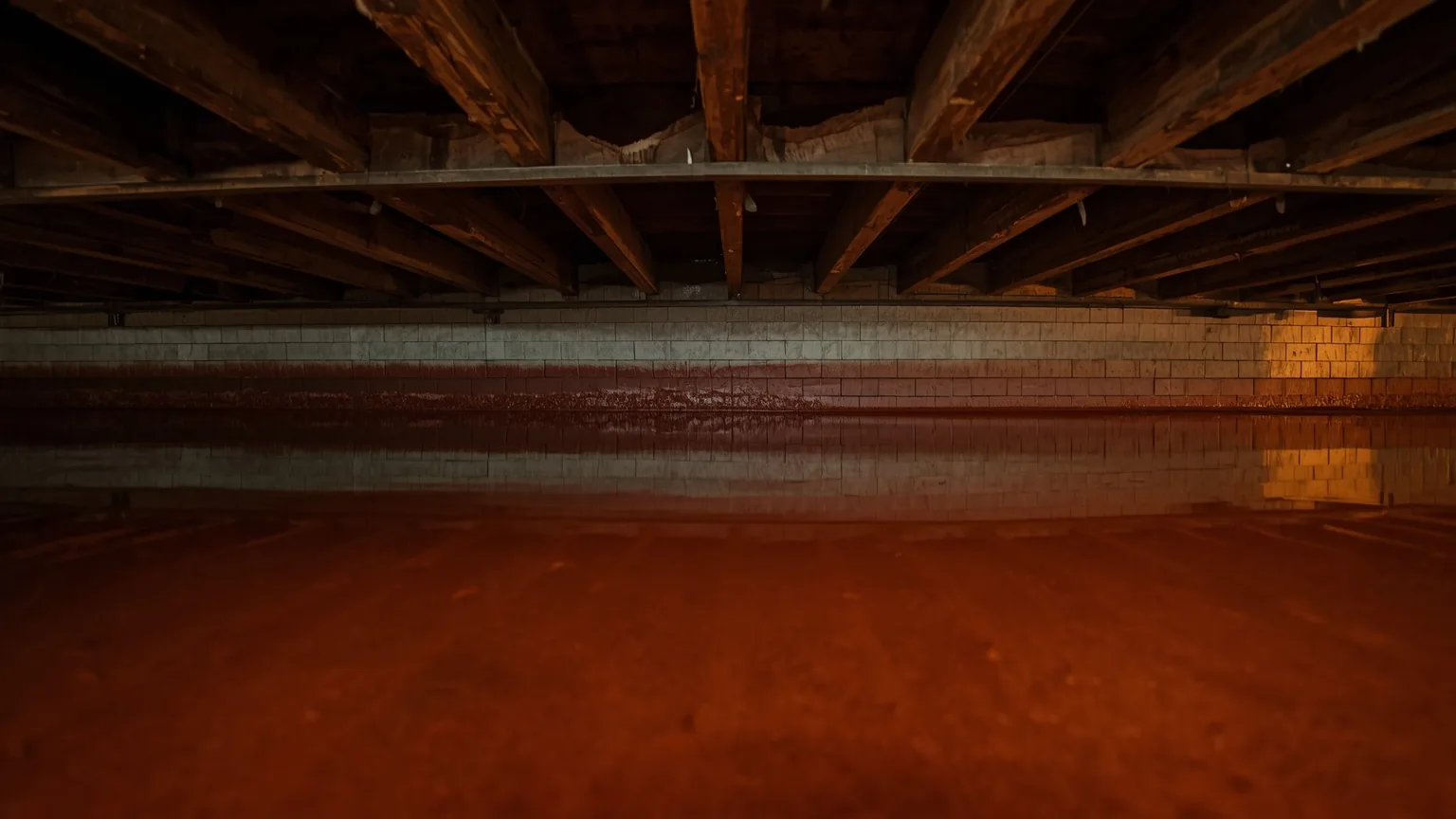
Waterproofing deals with liquid water — the kind you can see, standing on the ground or running in at the footing. It is a different problem from humidity, it is solved with different work, and it has to be finished before anything gets sealed.
Who handles crawl space waterproofing in Cary, NC?
Cary Crawl Space Solutions arranges crawl space waterproofing across Cary and western Wake County — identifying where water enters, then specifying grading, drainage, a sump or sealing in the order that actually stops it. Call (919) 351-6171 to arrange an evaluation.
Find the source before choosing the solution
This is the whole discipline and it is where most money gets wasted. Water reaches a crawl space by a small number of routes, and the right repair depends entirely on which one you have.
Surface water is the most common and the cheapest to fix — roof water discharging at the foundation, downspouts ending at the wall, grading that has settled back toward the house, or a driveway shedding toward the crawl space. Groundwater rises from below or moves laterally through the soil and needs interception rather than redirection. A plumbing leak is its own category and worth ruling out early, because no amount of drainage fixes a supply line. And condensation is not a waterproofing problem at all, even though it can leave real puddles.
Why an engineered lot still moves water sideways
Cary's neighborhoods were largely built to modern grading and stormwater standards, which is genuinely good news — surface water is managed better here than in a lot of older housing stock. It also produces a specific false confidence.
Western Wake County sits along the edge of the Durham Triassic Basin, where mudstone and siltstone weather into dense, slow-draining clay. Water that cannot move down through that clay moves sideways instead, following whatever path is easiest — usually the interface between the compacted fill around the foundation and the undisturbed soil beyond it, or straight along the outside of a footing.
So a lot can drain correctly at the surface, pass every inspection it was built to, and still deliver water to the crawl space. A dry-looking yard proves very little about what is happening at footing depth.
What is usually already there, and what is missing
Cary lots generally arrive with competent surface drainage — that is the advantage of housing stock built to modern standards. So the useful question is rarely 'what drainage does this house need' but 'which part of what it already has has stopped working'.
- Discharge that was correct and no longer is. Downspout extensions get shortened for mowing, disconnected during landscaping, or simply crushed. This is the most common finding and the cheapest correction available.
- Fall that has been landscaped away. Beds built up against the foundation, edging holding mulch in place, a patio added later. Each one is small; together they reverse the grade the house was built with.
- Interception, where surface work is not enough. A drain installed to catch water before it reaches the foundation. This is the first genuinely expensive step and should not be reached for until the two above are ruled out.
- Interior collection. A perimeter drain inside the crawl space, routing what arrives back out. Chosen where mature planting or hardscape makes exterior work impractical.
- A pump, only where gravity fails. On a lot that falls away from the house, collected water should leave by gravity — nothing to fail mid-storm. A sump is for the flatter sites, and it is the end of a drainage system rather than a replacement for one.
Why this comes before encapsulation
A liner manages vapor. It does not remove liquid water. Laid over a space that still floods, it seals the water underneath where it carries on unseen and unventilated — which is worse than leaving it exposed, because now nobody notices.
A proposal for a wet crawl space should read as two scopes in sequence: stop the water, then seal the space. If it reads as one bundled number for encapsulation with no drainage line, it has skipped the first half.
What the code requires of a drainage plan
North Carolina writes this into the building code rather than leaving it to preference. R409.2.1 requires the floor of a closed crawl space to be graded so it drains to one or more low spots, with a drain to daylight or a sump pump installed at each low spot. A compliant closed crawl space here has a plan for liquid water, not only for vapor.
The same section requires crawl space drains to be kept separate from roof gutter drain systems and foundation perimeter drains. That clause is worth checking on a written scope, because combining them is quicker to install and it routes roof water straight into the system meant to be carrying water away from under the house.
Crawl Space Waterproofing questions
Can I encapsulate a crawl space that gets standing water?
Not as the first step. Encapsulation manages vapor and humidity; it does not remove liquid water, so a liner laid over a space that still floods seals the water underneath where it continues unseen. Drainage has to come first, and a proposal for a wet crawl space should be two scopes in sequence rather than one.
Why is my crawl space wet when my yard looks fine?
Because dense clay moves water sideways rather than down. Water that cannot infiltrate follows lateral paths — often along the seam between compacted fill and undisturbed soil, or straight along a footing — and arrives at the crawl space having never pooled anywhere you would see it. A dry lawn tells you almost nothing about conditions at foundation depth.
Is interior or exterior drainage better?
They solve the problem at different points. Exterior drainage intercepts water before it reaches the foundation, which is more thorough and more disruptive. Interior drainage collects what gets in and routes it away, and is used where a driveway, patio or mature planting makes digging impractical. Which fits depends on where the water is entering — which is why the source has to be found first.
How much of this turns out to be a gutter problem?
More often than homeowners expect. A roof sheds a large volume in a Carolina downpour, and a downspout terminating at the wall puts all of it against the footing at once. Any competent evaluation checks discharge points and grade before proposing excavation.
Related crawl space services
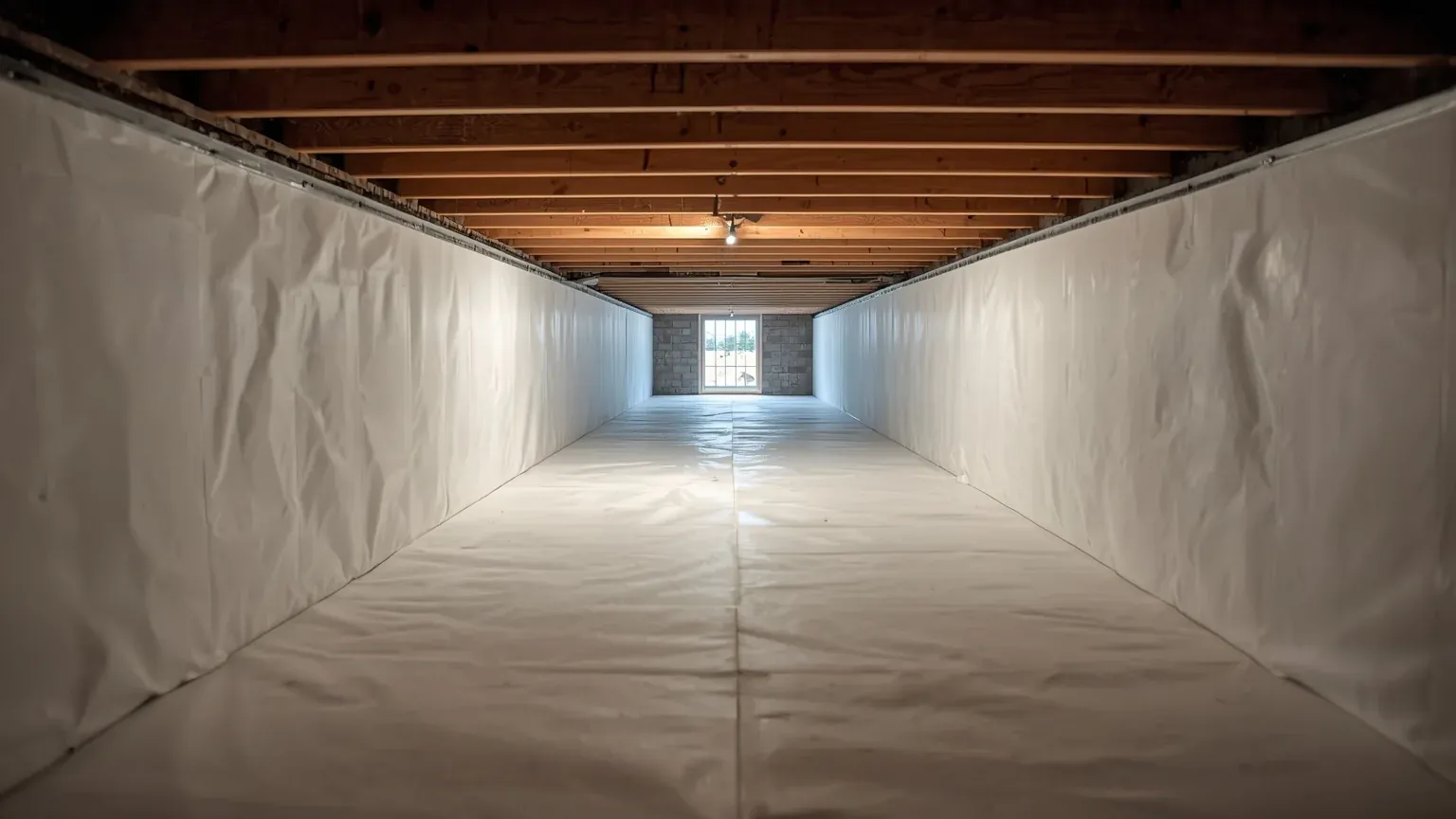
Crawl Space Encapsulation
Sealing the space, then controlling the humidity of what is left — to the NC R409 standard.
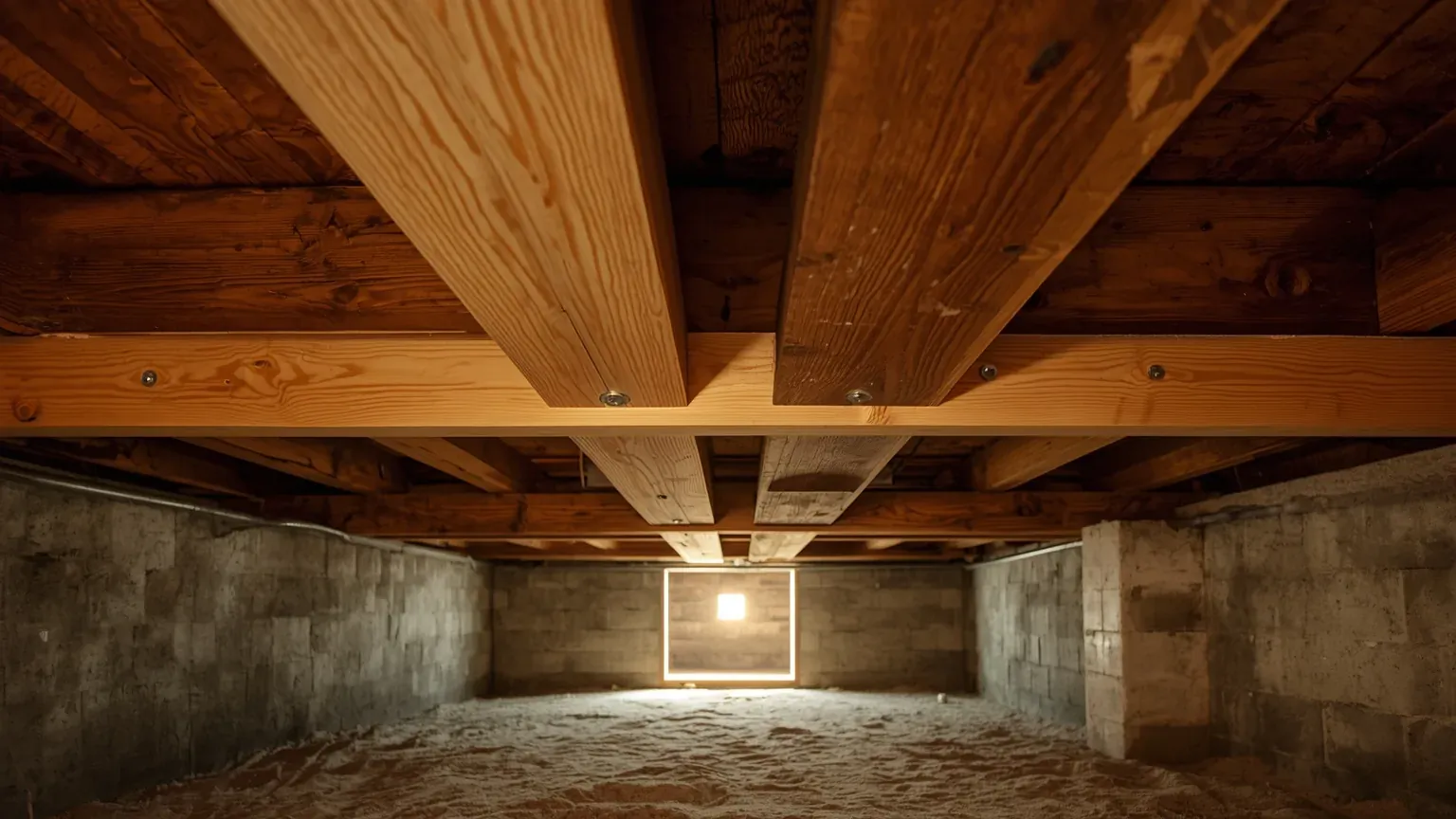
Crawl Space Repair
Joists, girders and supports — assessed with readings, and fixed after the water is dealt with.
Crawl Space Cost
What drives the number — and the six questions that make two quotes comparable.
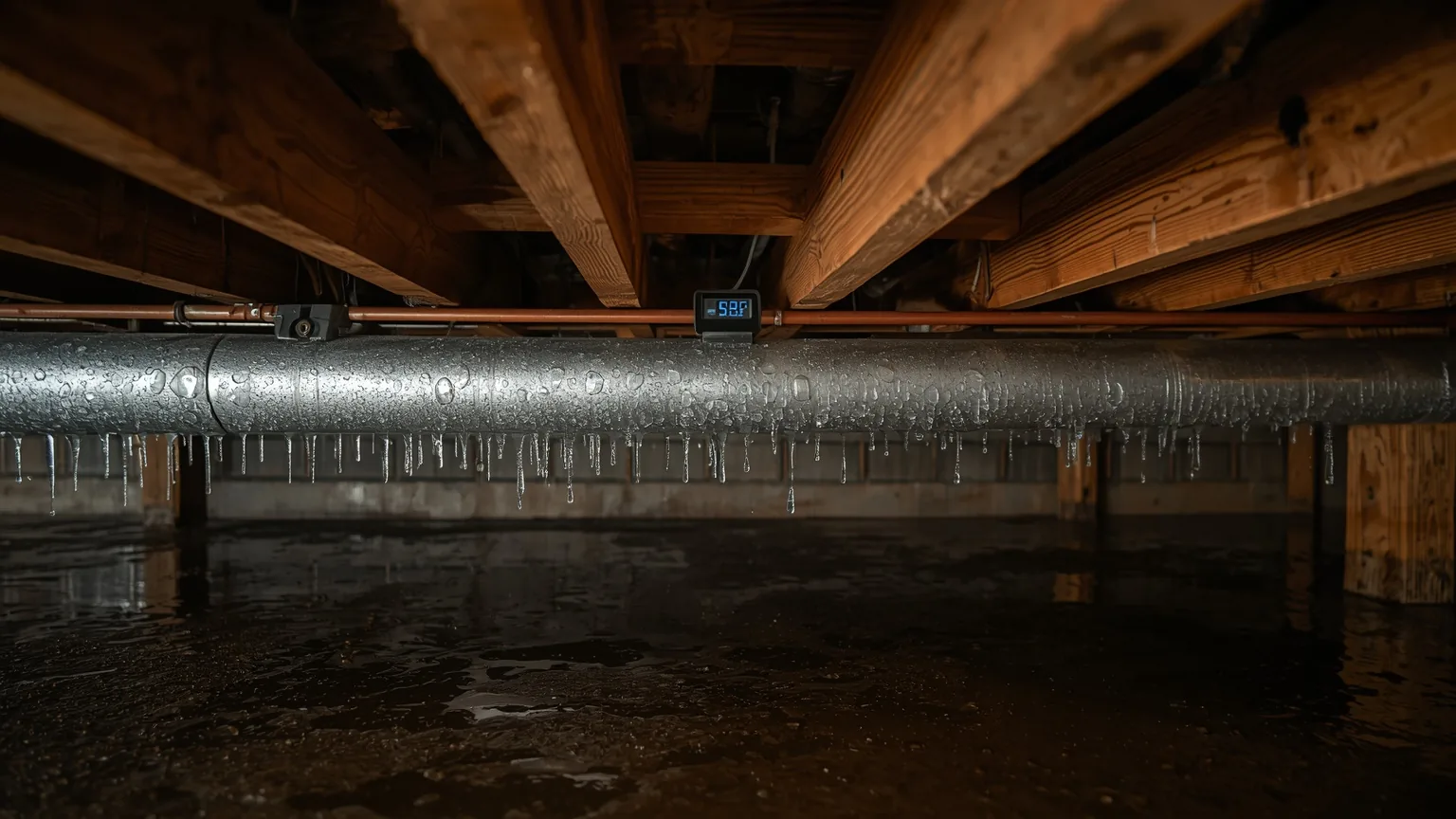
Crawl Space Moisture Control
Which of the four moisture sources you actually have — and what that means you should buy.
Find out what is actually causing it.
Someone under the house, moisture readings taken, and the scope written down before a price is attached.