
Crawl Space Repair in Cary, NC
Almost nobody calls about a crawl space. They call about a floor that has gone springy, a door that stopped latching, or a smell on the ground floor that comes back every summer. Those are symptoms, and underneath them the cause is usually moisture that has been working on the framing for years.
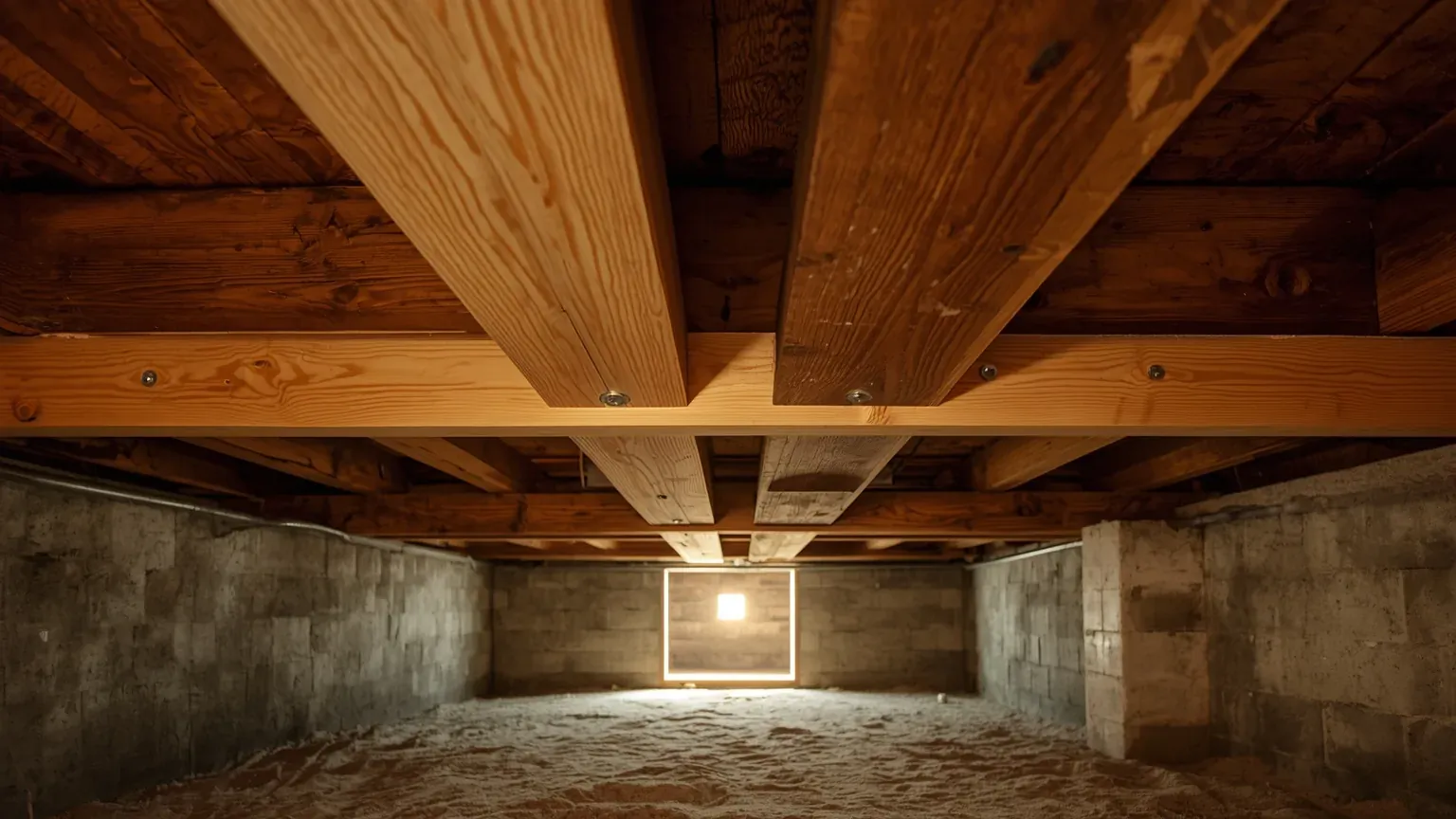
Who handles crawl space repair in Cary, NC?
Cary Crawl Space Solutions arranges crawl space structural repair across Cary and western Wake County — joists, girders and support piers assessed with moisture readings, and a written scope that deals with the water source before the damage it caused. Call (919) 351-6171 to arrange an evaluation.
What the house is telling you
The symptom you notice upstairs rarely names the repair you need. These are the common ones and what each tends to mean.
- Floors that feel springy underfoot. Framing that has lost stiffness. That can be a moisture-damaged joist, a support post that has settled, or a girder spanning further than it should. Three different repairs, so the cause has to be established before anything is quoted.
- A floor that slopes or dips in one area. Usually points at a support that has moved rather than at rot alone. Jacking it without finding out why it moved buys you a repeat.
- Doors and windows that stop closing square. Movement in the structure. Sometimes it starts in the crawl space and sometimes it does not — worth investigating before planing the door.
- Insulation hanging down or lying on the ground. Fiberglass absorbs moisture, gains weight and lets go. It is almost always a humidity symptom rather than a fastening failure, which is why re-stapling it changes nothing.
- A musty smell that returns each summer. Air moves upward through a house, so part of what you breathe on the ground floor came from underneath it. A seasonal odor is a seasonal humidity problem.
Why the moisture has to be dealt with first
This is the part that decides whether a repair lasts. Wood begins supporting fungal growth at roughly 20 percent moisture content, and framing is not damaged by one humid week — it is damaged by months above that threshold, season after season.
Put a new joist into a space that is still wet and it lives in exactly the conditions that destroyed the original. A sound proposal establishes the moisture source, stops it, repairs the damage, then controls the humidity that remains. A structural quote that says nothing about water is quoting half a job.
The repairs themselves
Ordered roughly by how often they come up.
- Sistering a joist. Where a joist has lost capacity but most of its section is sound, a new member is fastened alongside it to carry the load. Cheaper and less disruptive than replacement, and appropriate more often than not.
- Replacing a joist or girder. Where decay has gone too far, or where the damage is at the bearing point, replacement is the honest answer. Which applies is a judgment made on the member, not from a price list.
- Support piers and posts. Failed or undersized supports get rebuilt on a proper footing. A post sitting on a patio block is a common find and a common cause of a dip.
- Subfloor sections. Localized replacement where the sheathing has gone soft, usually around a long-running plumbing leak.
- Insulation removal. Wet fiberglass is not salvageable. It comes out before anything is sealed, and in a job priced by the square foot this is a line item worth seeing itemized.
When to call rather than watch it
A slow-developing dip is worth an evaluation rather than an emergency, but three findings deserve a call promptly: visible fungal growth across framing rather than in one spot, a support that is visibly off its footing, and standing water that is still there days after rain.
Anything structural should be assessed before it is priced. If a proposal arrives with a number and no description of what was measured, ask for the readings and where they were taken.
Why the damage took years to surface
Framing does not fail in a season. Wood begins supporting fungal growth at roughly 20 percent moisture content, and what does the damage is months at a time above that line, repeated across summers. That is why the repair bill tends to arrive long after the moisture problem started.
The early warning usually shows up on the floor above rather than below it. Air moves upward through a house, so a musty ground floor each summer is crawl space air — and it normally appears well before anything starts to move underfoot.
Crawl Space Repair questions
Is a bouncy floor always a crawl space problem?
Not always, but it is the first place to look in a house on a crawl space foundation. Bounce means the floor system has lost stiffness, and the usual causes — a moisture-damaged joist, a settled support, an over-spanned girder — all live underneath. What rules it in or out is getting under there and reading the framing.
Can I just replace the insulation that fell down?
You can, and it will fall down again. Fiberglass comes down because it absorbed moisture and got heavy, so unless the humidity that soaked it has been dealt with, new batts are a consumable. Fix the moisture first and the insulation stays up.
How do I know whether a joist can be sistered or has to be replaced?
It comes down to how much sound section is left and where the damage sits. A joist that is soft along its middle but solid at both bearing points is usually a sistering candidate. Damage at the bearing point itself, or decay running the full depth, generally means replacement. That is a judgment made on the member with a probe, not from a photograph.
Will fixing the crawl space stop my doors sticking?
Only if the crawl space is what caused it. Structural movement below can absolutely throw a door out of square, but so can seasonal humidity in the door itself and settlement elsewhere in the house. An evaluation should tell you which — and should say so plainly if the answer is that your crawl space is not the culprit.
Related crawl space services
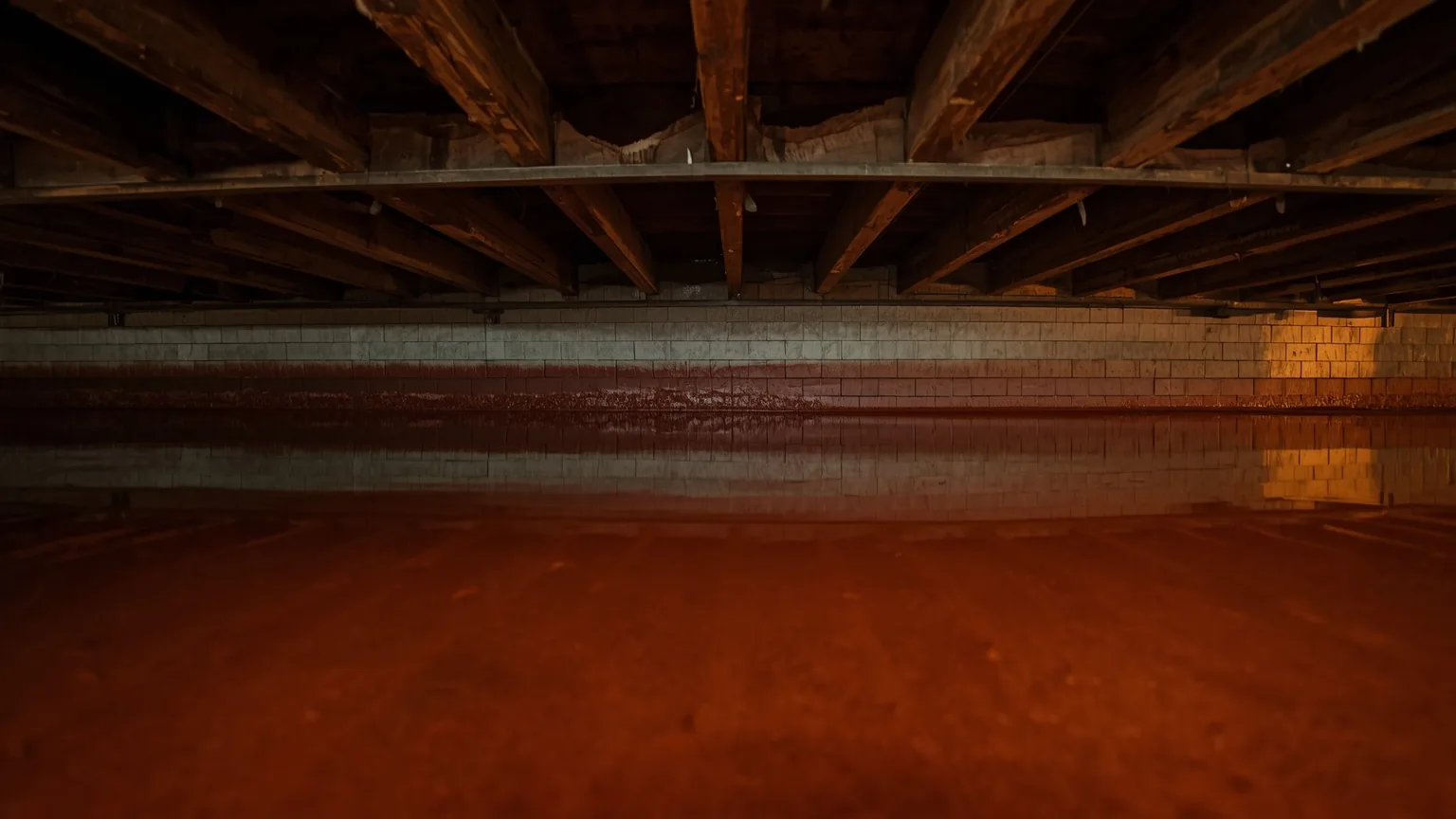
Crawl Space Waterproofing
Liquid water: finding where it enters, and stopping it before anything is sealed.
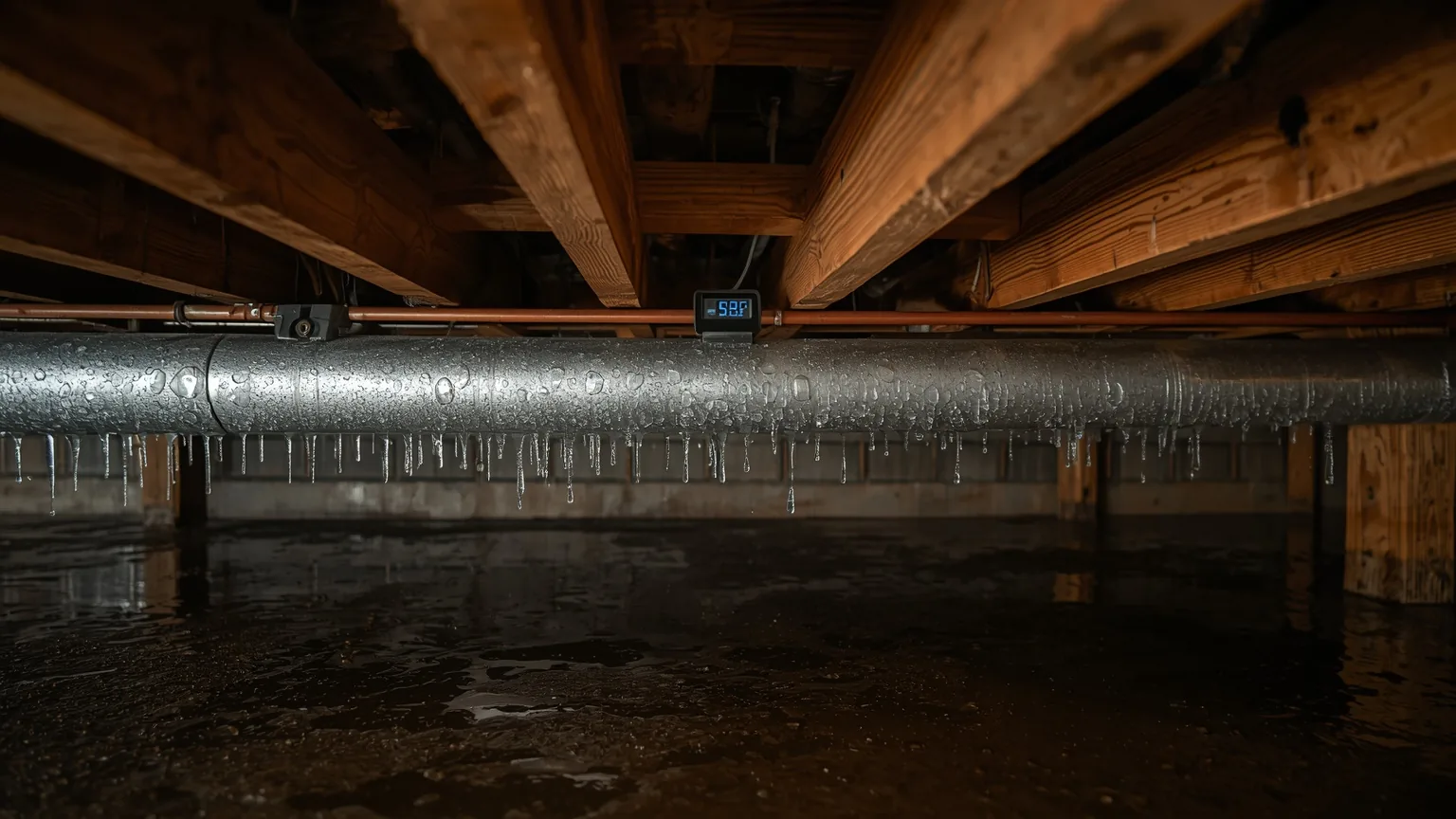
Crawl Space Moisture Control
Which of the four moisture sources you actually have — and what that means you should buy.
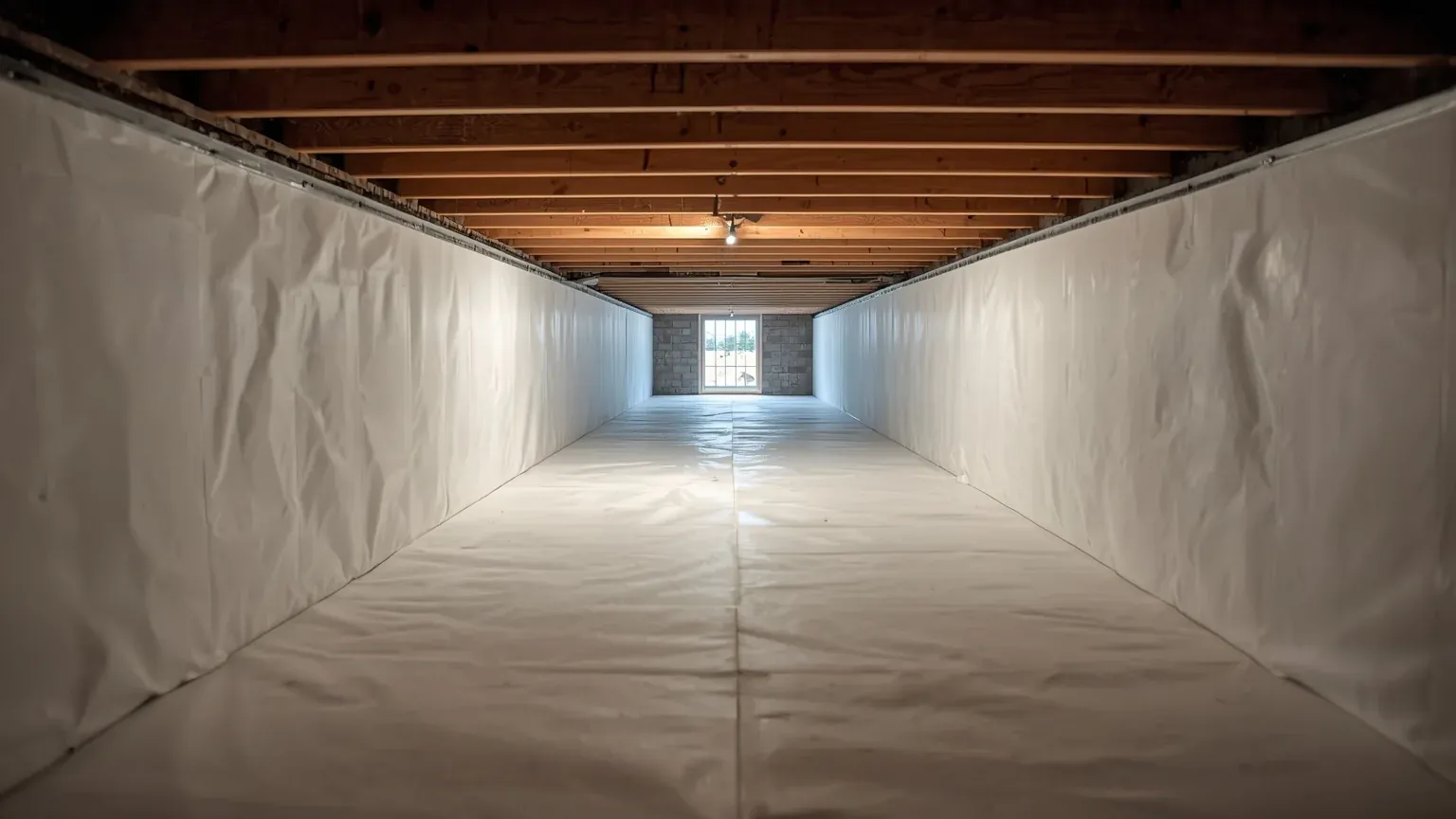
Crawl Space Encapsulation
Sealing the space, then controlling the humidity of what is left — to the NC R409 standard.
Crawl Space Cost
What drives the number — and the six questions that make two quotes comparable.
Find out what is actually causing it.
Someone under the house, moisture readings taken, and the scope written down before a price is attached.