
Crawl Space Encapsulation & Repair in Cary, NC
Crawl space trouble in Cary is often a humidity problem before it is a water problem. We find what is actually driving the moisture — surface runoff, water moving sideways through dense clay, or humid summer air condensing on cool surfaces — and scope the fix in that order.
Who does crawl space encapsulation in Cary, NC?
Cary Crawl Space Solutions arranges crawl space encapsulation, waterproofing and repair across Cary and western Wake County — ground and wall liner, sealed vents and rim joists, drainage where liquid water is present, and mechanical drying that meets NC Residential Code R409. Call (919) 351-6171 to arrange an evaluation.
Why crawl spaces struggle here
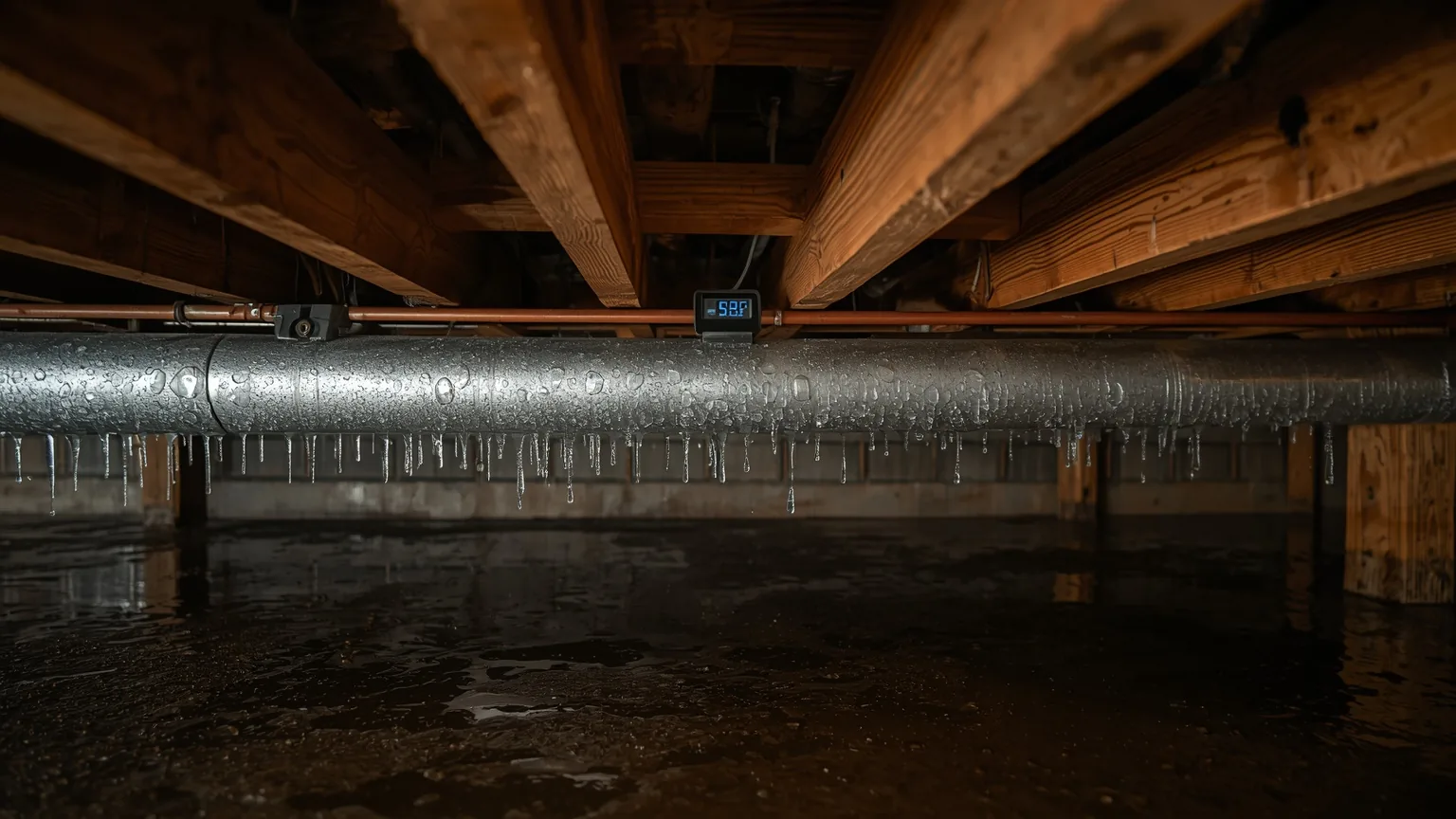
Cary sits in a humid subtropical climate, with long stretches of warm, moisture-heavy air from late spring through early fall. That air holds far more moisture than cool air does, and when it enters a vented crawl space it meets ductwork, water lines and the underside of the subfloor sitting below its dew point. The moisture condenses onto those surfaces.
Which produces the finding that surprises most homeowners: the vents installed to keep the space dry are the route the water takes in. It is also why a crawl space here is often at its worst during a hot dry stretch in August rather than after a storm.
North Carolina publishes the specification
Most states leave the word encapsulation undefined, so comparing quotes means comparing sales language. North Carolina is one of the few that writes closed crawl spaces into residential code — Section R409 of the NC Residential Code, not the R408 used by the International Residential Code.
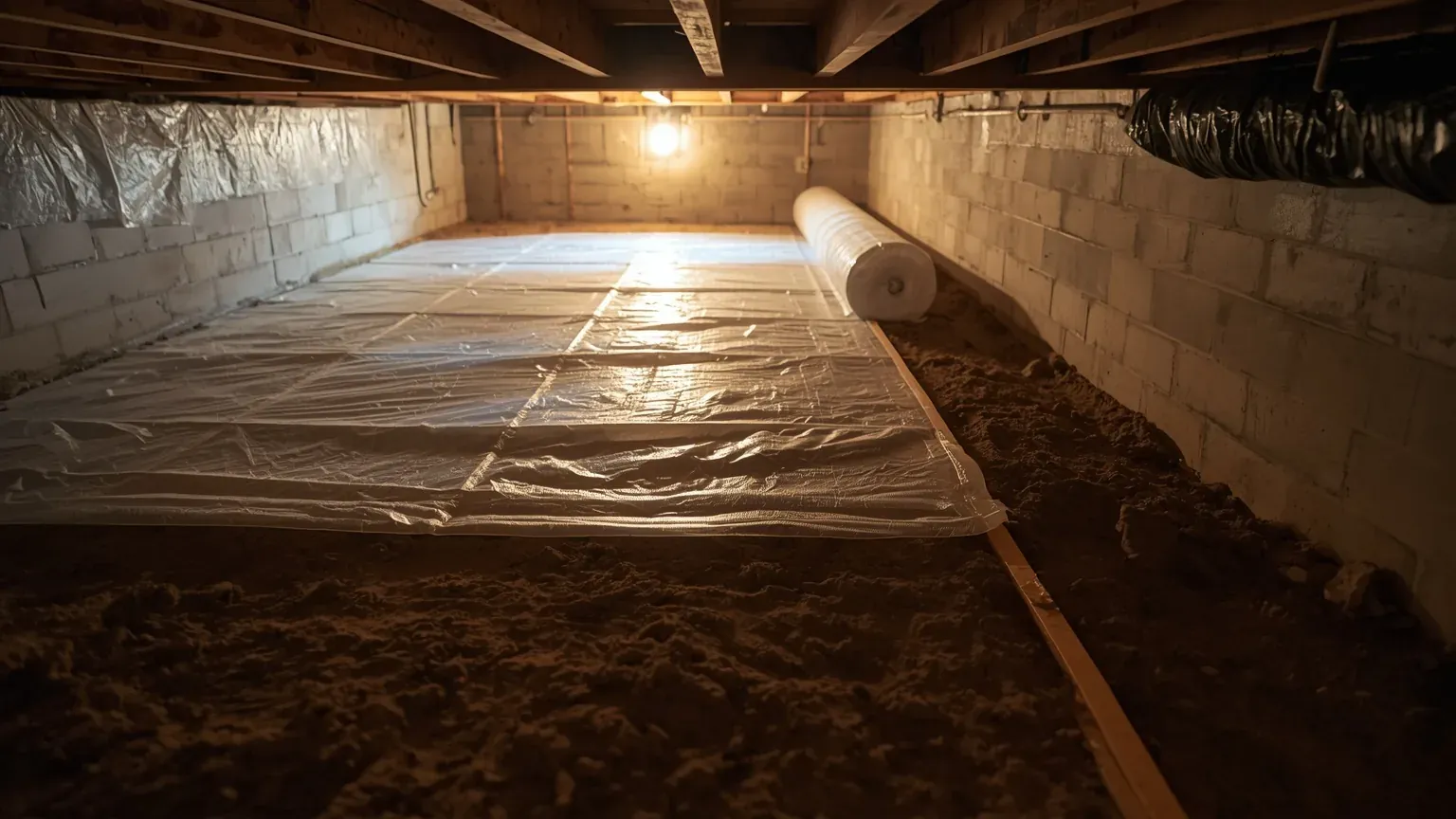
R409.2.1 sets a 6-mil minimum liner over exposed earth with joints lapped at least 12 inches, requires the floor graded to low spots with a drain to daylight or a sump at each, and requires crawl space drains kept separate from roof gutter and foundation perimeter drains. R409.2.2.1 fixes the 3-to-4-inch termite inspection gap at the top of the wall liner. R409.5 requires a means of drying the sealed space.
The practical value of that is you can hold a proposal to a published standard instead of to whoever sounded most confident.
Encapsulation, and when it is the right answer
Encapsulation earns its cost where moisture is chronic rather than occasional — condensation on ducts and pipes, fungal growth on framing, insulation that has come down, or humidity upstairs that stays high right through the summer.
It is the wrong first move on a crawl space that takes standing water, because a liner over a wet floor hides the water instead of removing it. And it is more than a genuinely dry space needs, where covering the ground may be the whole job. Our encapsulation page sets out what a complete job includes.
Repair, and why moisture comes first
Springy floors, a dip in one room, doors that stopped latching square, insulation lying on the ground — these are the symptoms that actually bring people here, and underneath most of them is moisture that has been working on the framing for years.
Wood begins supporting fungal growth at roughly 20 percent moisture content, and framing is damaged by months above that line rather than by one humid week. So a new joist put into a space that is still wet lives in exactly the conditions that destroyed the original. Crawl space repair covers what the symptoms mean and the order the work has to happen in.
What drives the price
Square footage and clearance height first — a space you can kneel in is a different job from an 18-inch belly crawl of the same area. After that: whether drainage has to be installed and proven before anything is sealed, the liner specification and how far it runs up the walls, which drying method is being installed under R409.5, whether wet insulation has to come out, and how hard the space is to get into.
No number on this site, because a crawl space cannot be priced before someone has been under it. What we can do is tell you which questions make two quotes comparable — that is on the cost page.
Crawl space services in Cary
Six services, because these are six genuinely different scopes of work that get sold under the same word. Which one you need depends on where the moisture is coming from.
Encapsulation & Moisture
Crawl Space Encapsulation
Sealing the space, then controlling the humidity of what is left — to the NC R409 standard.
Crawl Space Moisture Control
Which of the four moisture sources you actually have — and what that means you should buy.
Vapor Barrier Installation
Covering the ground to the R409 spec — the narrower job that often gets sold as encapsulation.
Water & Repair
Signs a Cary crawl space needs attention
Most of these show up on the floor above rather than below it, which is why the crawl space is usually the last place anyone looks.
Musty smell that returns each summer
Air moves upward through a house, so part of what you breathe on the ground floor started underneath it. A seasonal odor is a seasonal humidity problem, and it usually appears long before anything moves underfoot.
Insulation hanging down
Fiberglass absorbs moisture, gains weight and lets go. It is a humidity symptom rather than a fastening failure, which is why re-stapling it changes nothing.
Floors that feel springy
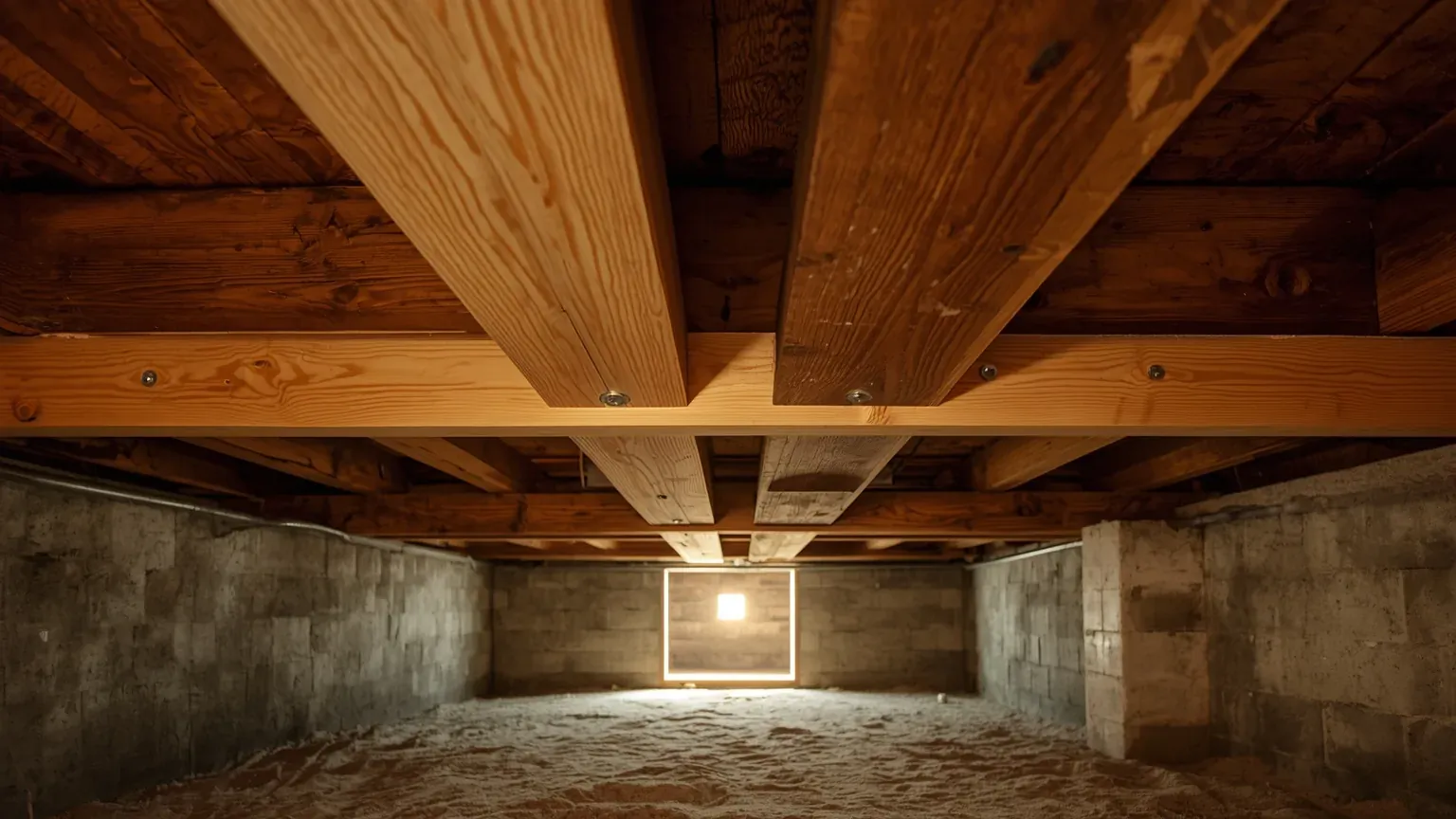
Framing that has lost stiffness — a moisture-damaged joist, a settled support post, or a girder spanning further than it should. Three different repairs, so the cause has to be found first.
Condensation on ducts and pipes
Water beading on cool surfaces is humid air reaching its dew point. That water then drips onto the framing below and stays there.
Standing water after rain
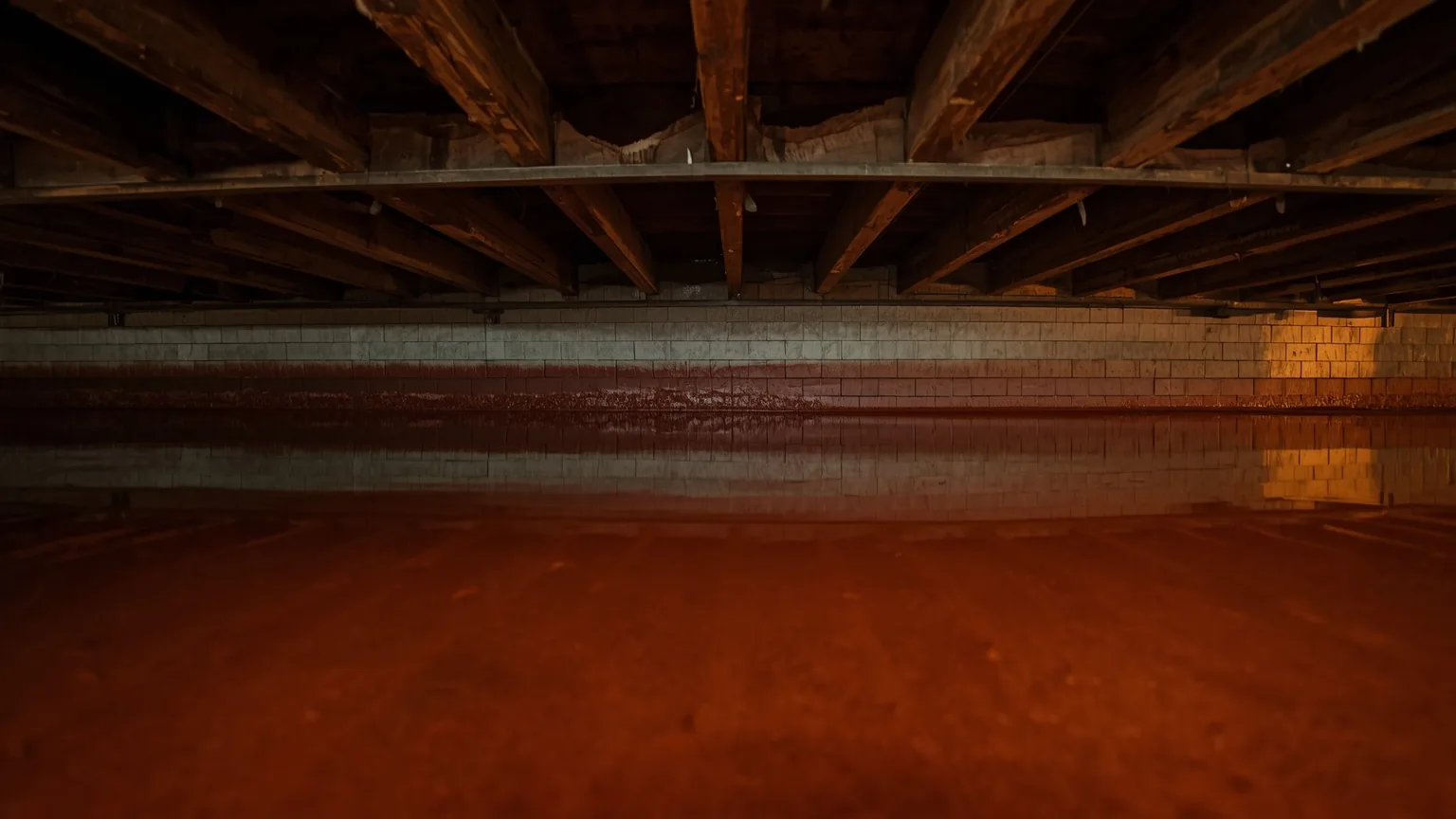
A drainage problem, not a vapor problem. It has to be dealt with before any liner goes down or the liner simply puts a lid on it.
Humidity upstairs that will not drop
An air conditioner working against a continuous supply of moist crawl space air tends to run long and still leave the house feeling damp.
How an evaluation works
- Someone gets under the house Not a look from the hatch with a flashlight. The two things that decide the scope — clearance height and whether liquid water is present — can only be established from inside the space.
- The framing gets measured Moisture content readings on joists, girders and subfloor at several points, plus relative humidity in the space. A diagnosis without numbers is an opinion.
- The water source is identified Surface runoff, groundwater, a plumbing leak or condensation. These are fixed by completely different work, and getting this wrong is how people pay for the job twice.
- You get a written scope, in order What will be done, in what sequence, and what is excluded — water first, then ground, then air, then drying. Not one bundled number against the word encapsulation.
Serving Cary and western Wake County
Crawl space evaluations by appointment. Serving Cary and nearby communities in western Wake County. Housing age varies a good deal across the town, and crawl space foundations are more common in the older neighborhoods than in newer construction — which is part of why two houses a few streets apart can present quite different conditions.
Cary · Morrisville · Holly Springs · Fuquay-Varina · New Hill · Research Triangle Park
Full detail on the service area page.
Cary crawl space questions
How much does crawl space encapsulation cost in Cary?
There is no honest number before someone has been under the house. What moves it most is square footage and clearance height, whether drainage has to happen first, the liner scope, which drying method is installed, and whether wet insulation has to be removed. Two quotes that both say encapsulation can describe genuinely different work — ask for the scope itemized in sequence rather than bundled.
Why is my crawl space wet in summer when it has not rained?
Because the water is arriving as humid air rather than as rain. Warm outdoor air holds far more moisture than cool air, and when it comes through the foundation vents and touches surfaces below its dew point — ducts, pipes, the underside of the subfloor — it condenses onto them. Through a Carolina summer the vents import moisture rather than exporting it.
Do I need encapsulation or just a vapor barrier?
It depends which source you have. A vapor barrier covers the ground, which interrupts evaporation from bare earth. Encapsulation does that and also seals the vents and rim joist and dries the sealed space. If humid outside air is condensing on your cool surfaces, covering the ground alone does not address it.
What does North Carolina require for a crawl space vapor barrier?
NC Residential Code R409.2.1 sets a minimum 6-mil polyethylene vapor retarder covering all exposed earth, with joints lapped not less than 12 inches. The same section requires the floor graded to one or more low spots with a drain to daylight or a sump pump at each, and requires crawl space drains to be kept separate from roof gutter and foundation perimeter drains. Note that North Carolina numbers its crawl space provisions R409, not the R408 used by the IRC.
Will encapsulation fix my sagging floors?
No. Sealing the space removes the cause; it does nothing for framing the moisture has already degraded. Where joists or supports are compromised the structural repair comes first and the sealing then stops it happening again. A proposal offering one without addressing the other has skipped a step.
Do you do the work yourselves?
No. Cary Crawl Space Solutions is an advertising and lead-routing service. We connect homeowners with independent crawl space contractors, and the contractor who visits performs the work and holds the applicable license and insurance.
Find out what is actually causing it.
An on-site evaluation with real moisture readings, and a written scope before anything is priced.
Request a crawl space evaluation — (919) 351-6171
Would you rather write it down? Send the details through the form and you will get a call back.